Tom Massey
This author account hasn't been claimed yet. To claim this account, please contact the outlet owner to request access.
Writing For
 Nintendo Life
Latest Reviews
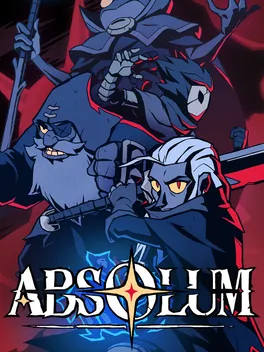
Absolum is an on-par experience to Dragon’s Crown, but a superior game in terms of its key metrics. Its combat, collectible augmentations, and planning are exceptionally well-formulated, ensuring no run is ever quite the same and its strategic options and play-styles are ever-deepening. It’s incredibly impressive in its reconstitution of...
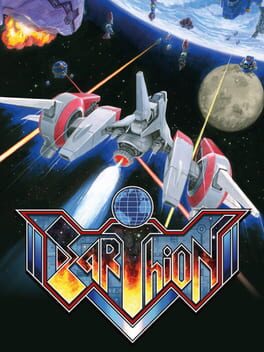
Earthion is a terrific piece of work. It's more an accomplished production, arguably, than a shoot 'em up of incredible highs, but at the same time, that’s part of its charm. It has a different feel thanks to its shield system and mid-stage upgrade rungs, and this is a refreshing...
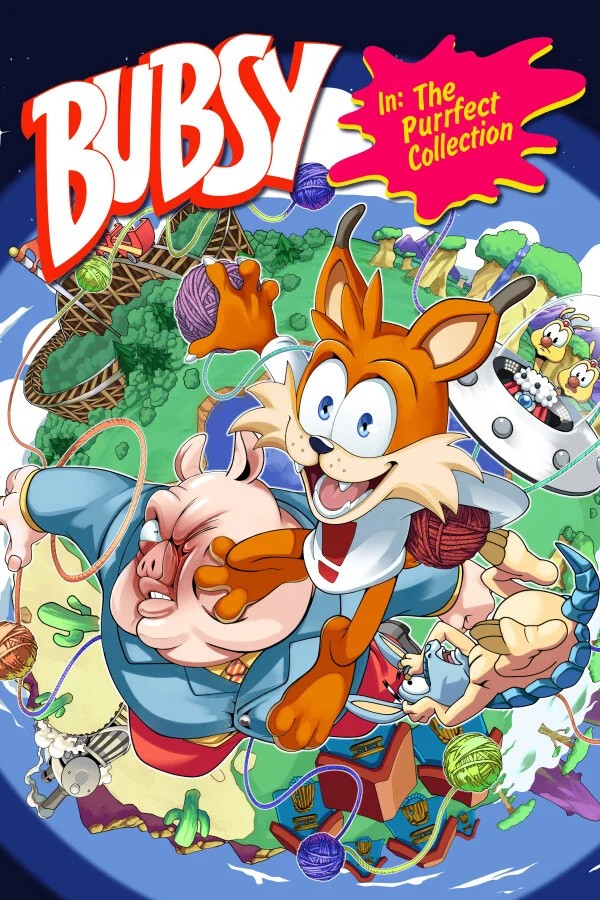
One wonders if the entire Bubsy series wasn’t actually designed as a sort of torture parody; that the intention all along was to pummel unsuspecting children into submission via an innocent-looking, anthropomorphic-bobcat-led platform game. Picture this: some kid in 1993 got Bubsy for Christmas after the sales clerk told his...
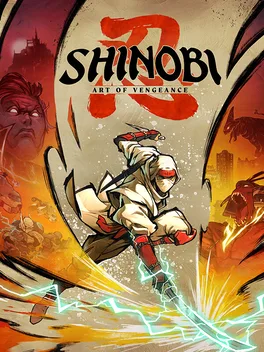
In reinventing the retro wheel, Shinobi: Art of Vengeance leads the way: a demonstration of how modern tools, accompanied by thought and talent, can be expanded upon to not just reboot franchises, but actually rebuild them in new and incredible ways. It’s one thing to revisit an arcade action game...
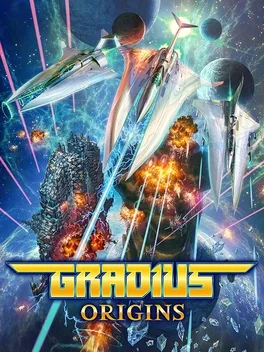
M2, famous for its articulate, somewhat surgical approach to porting historical code just right, has done another fine job with Gradius Origins. There’s so much polish here it positively gleams, and the overall care, bonus gadgetry and quality of life extras are all impeccably set. Salamander III is the big...
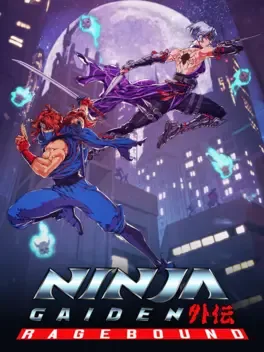
Ninja Gaiden: Ragebound is the kind of game that makes you want to improve. Chaining death with balletic grace feels so liberating that you don’t want to be interrupted in your flow. The way it implements all of its mechanics, along with increasingly interesting, beautiful, and ever-taut stage design, is...
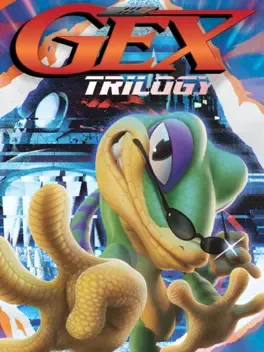
Gex Trilogy is a happy throwback. The first game is a little clunky and occasionally laborious, but its sequels do better in their 3D expansion of its themes and idea. The main point of appeal is its connection to the period in which they were made. It’s full of comic...
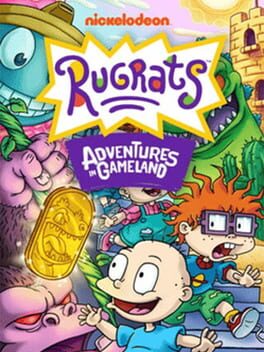
Rugrats: Adventures in Gameland is a well-made platformer that captures the heart of what made the TV show tick, and that’s perhaps its greatest achievement. The character swapping system isn’t unique, but it works well owing to some clever and occasionally quite challenging stage design; and, while it doesn’t reinvent...
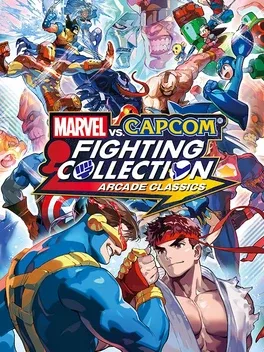
There is a decade of gaming evolution here, including what is arguably the pinnacle of Capcom's fighting game craft. Perfectly preserved and presented, everything is beautifully formed and wonderful to play. Assembled with real clarity in regards to fan expectation, Capcom has thoroughly delivered the goods, from its ton of...
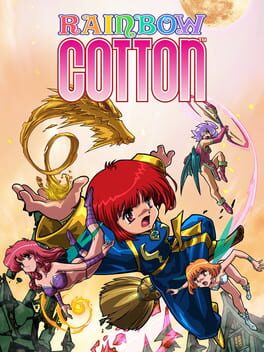
Although there's room for improvement in ININ's presentation, and it would have been nice to get a few more bonus unlockables, this is still the best version of Rainbow Cotton around thanks to its silky smooth frame rate, lovely upscaling, widescreen formatting, and all-important gameplay enhancements. It's a fun, at...

Halberd Studios has crafted a Metroidvania with a really encouraging number of unique elements. We have no issue in declaring it A Good Game™ and a great time thanks to its careful crafting and implementation of a number of original ideas that elevate the gameplay, rather than stifle it. It...
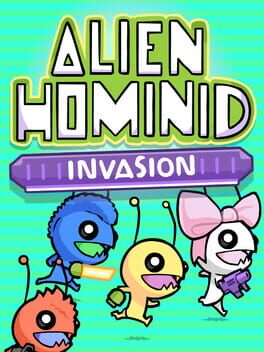
Alien Hominid Invasion's setup won't appeal to everyone. We were disappointed to find the mission objectives recycle far too often, and their random nature seems to rob the stages of any real individuality. But in terms of its handling, execution, and additions, Invasion feels much superior to the original. And,...