Griffin McElroy
This author account hasn't been claimed yet. To claim this account, please contact the outlet owner to request access.
Writing For
 Polygon
Latest Reviews
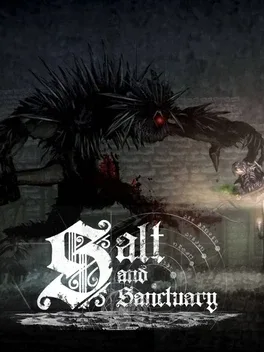
Salt and Sanctuary
I wasn't bothered or distracted by Salt and Sanctuary's uncanny resemblance to the Souls games during my playthrough, because I was too busy gleefully exploring, or locking my controller in a vise grip while trying not to die. There's nothing crass about how those elements have been adapted, because they...

Rock Band 4
Rock Band 4 is stripped down to the essentials, but despite its leanness, it's pulled off something encouraging: It's made me want to play Rock Band again, even after the dozens of hours and countless parties I've spent with the series. It isn't Harmonix's boldest or biggest game. But Rock...
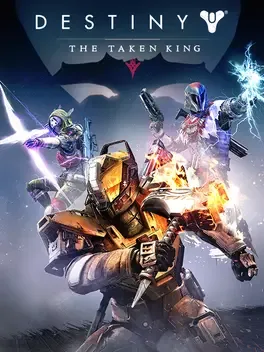
Destiny: The Taken King
Destiny's myriad problems at launch were exacerbated by its promise: The game was that much more disappointing because Bungie's execution failed to follow through on the potential of the studio's purported dream project. Bungie took some moderate steps forward in The Dark Below and House of Wolves, but The Taken...
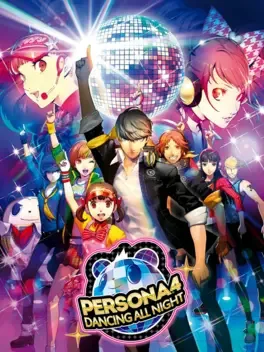
There are touches of flawed execution in Persona 4: Dancing All Night, but they do little to upset what is otherwise a spectacular rhythm game. Genuine strokes of genius can be found in its modifiable gameplay and superb soundtrack, and they're compelling enough to keep the game from solely relying...

Hotline Miami 2 may look like its predecessor, but it’s a completely different beast. The original was a drug; a pulsating, hypnotic thing. Hotline Miami 2 consciously makes it slightly harder to get lost in that flow, but trades that trance for a story that I’m still rapturously unpacking....
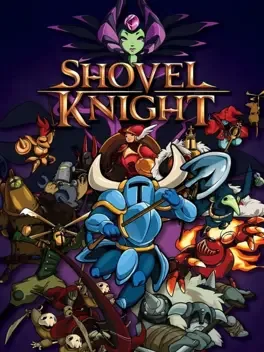
Shovel Knight
There is a reason we can all remember so much from games that are almost 30 years old, and Shovel Knight has tapped into that reason in a profound way. We don't love the brands of our youth; we love the characters, the settings, the way actually playing those...
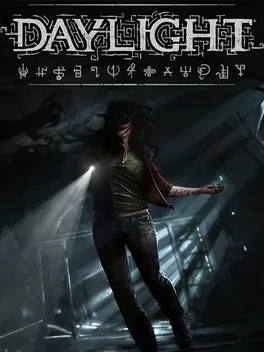
Daylight
And then there's the copious technical issues I ran into during the game's relatively brief campaign. In an hour and a half, the game crashed on me twice and hard-locked my PC once. In one level, I fell through the floor whenever I tried to run, forcing me to walk...

OlliOlli
OlliOlli's slick presentation and streamlined skating are capable of throwing players into a kind of trance. Roll7 has crystallized the very idea of combos into something new and inventive, but so familiar. It's enough to transport me back to the golden days of skateboard games, enough to make me wish...