Will Borger
Game industry critic and reviewer
 GamingBolt
 TheGamer
 Nintendo Life
 ShackNews
 IGN
IGN Game Skinny
 But Why Tho
 Digital Trends
Latest Reviews
Another (mostly) glorious day in the corps.
An incredible action game with an excellent story to match.

Hitting the track and chaining tricks together is a joy.
A smooth remake that doesn’t feel compromised by breaking free of its VR-exclusive origins.

A great fighting game wrapped up in a very bad package.
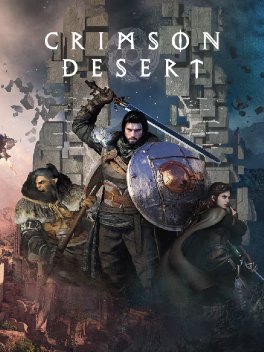
Before Crimson Desert, I’d never played a game I’d describe as maximalist. Crimson Desert is a maximalist video game, defined by its excess, straining against the confines of an open world video game and perhaps the medium itself. It is stunningly ambitious, and often worse for it. It invites you...
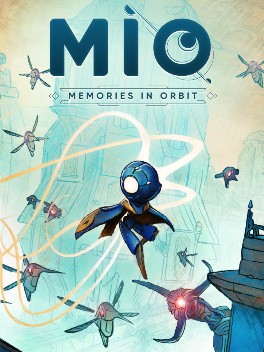
The dichotomy of the Metroidvania as a genre is an interesting one. Its world is always ruined, cruel, hostile, perhaps once beautiful, now broken, but the genre asks you to imagine that it wasn’t always that way. That it was beautiful, once, worthwhile, and that no matter how hostile it...
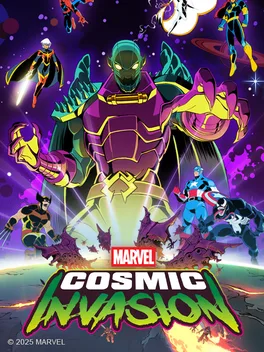
The stages and enemies aren’t going to blow you away, but Marvel Cosmic Invasion’s tag team action still has the juice.

Namako explodes into a fountain of blood for what feels like the eighth time, and I open the menu and select Restart Battle. I’m fighting a giant skull and a pair of hands that looks like what I imagine Ocarina of Time’s Bongo Bongo would be if he were a...
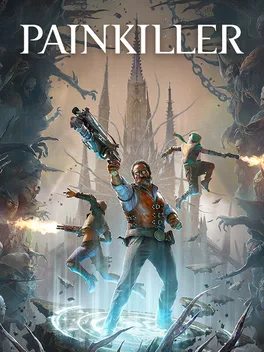
Painkiller is a game about nothing for no one, a mediocre resurrection of a classic trying to put a new cover on an old book and hoping it still has some relevance 21 years later.
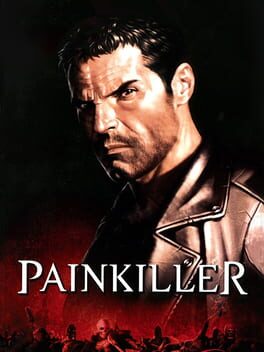
Painkiller is a game about nothing for no one, a mediocre resurrection of a classic trying to put a new cover on an old book and hoping it still has some relevance 21 years later.
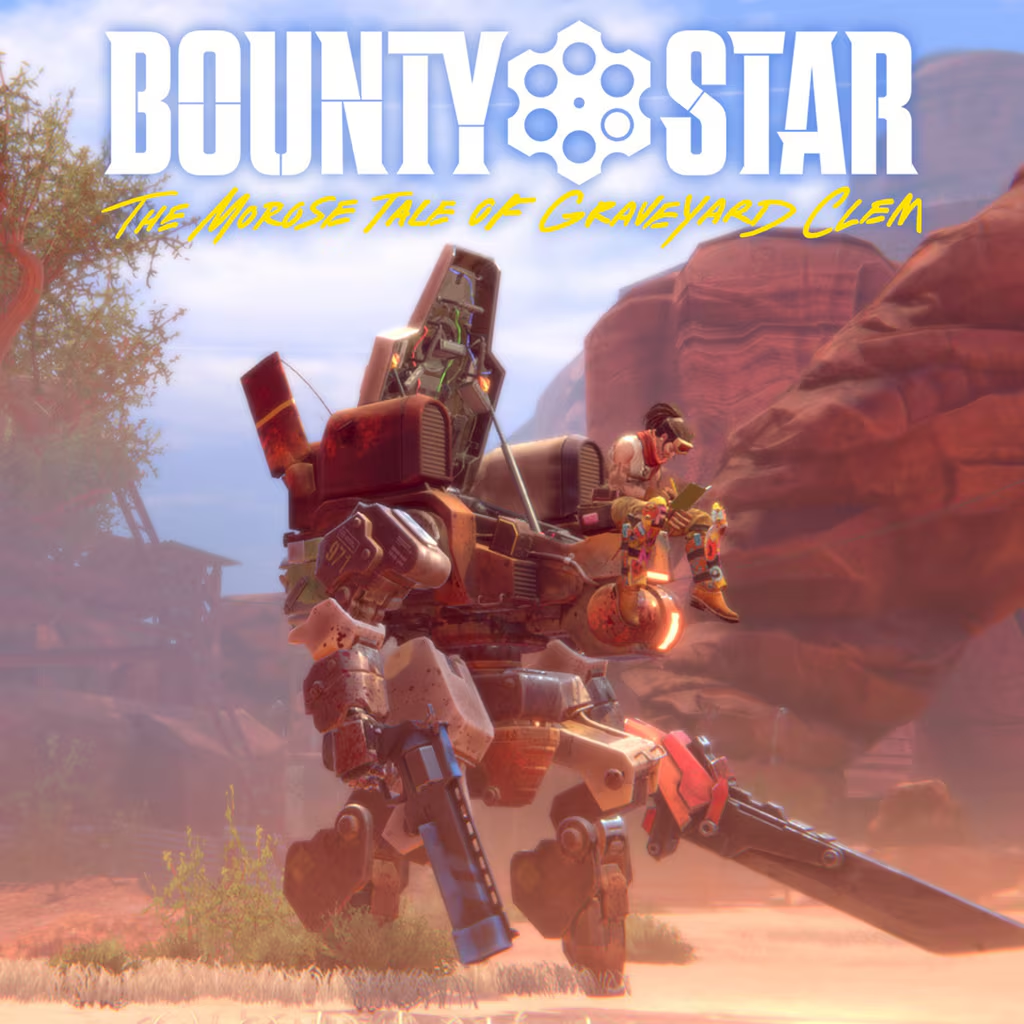
Bounty Star’s combination of mech combat and farming is equal parts compelling and tranquil, and Clem’s story is riveting. Sometimes, you have to get back in the robot and hope there’s a life on the other side.