Steve C
This author account hasn't been claimed yet. To claim this account, please contact the outlet owner to request access.
Writing For
 TheSixthAxis
 Latest Reviews
The Sinking City 2 takes a different direction tot he original, leaning in on more direct survival horror, but it makes a more polished and focused game.
What's that coming over the mound?
A tribute to a defining cult classic and to its original creators, Gothic 1 Remake remains a fantastic, old school RPG experience.
Every once in a while a game comes out that uses the medium to push the boundaries of interactivity and adds new facets to what it means to play it. Titles like Doki Doki Literature Club, Tunic, and Inscryption all take standard genres and mix them up with fourth-wall breaking moments and meta-gaming approaches. The Remake of the End of the Greatest RPG of All Time is another fantastic game to add to this list and one that uses the framing mechanism of a classic JRPG being revisited for nostalgia to weave an impressively complex and layered adventure into the very fabric of making a game.
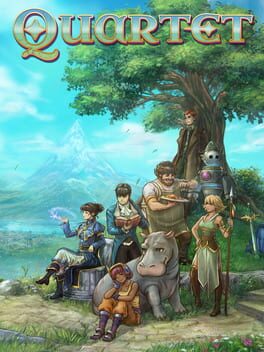
The legacy of Final Fantasy (and to a lesser extent Dragon Quest in the West) is impossible to overstate with Squaresoft’s SNES RPGs in particular still standing unchallenged as the pinnacle of the classic 2D JRPG. For this reason, any modern attempt to recapture the look and feel of these games is inevitably going to be caught in their shadow – often to unfortunate results. Quartet is the latest title to try and recapture the nostalgic thrills but also takes influence from the modern Square-Enix series Octopath Traveller. The result is a fantastic old-school JRPG that should be on every fan’s wishlist.
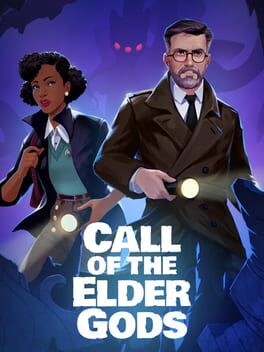
Call of the Sea was a game that I loved when it first released over five years ago, and so I was hugely excited to see that a sequel was coming and have been looking forward to diving back in since. Serving as a direct continuation of the original’s story, Call of the Elder Gods definitely benefits from having played the first, but there is an effective summary available at the beginning of the game if you haven’t, and that game’s finale necessitated a new protagonist for this sequel anyway.
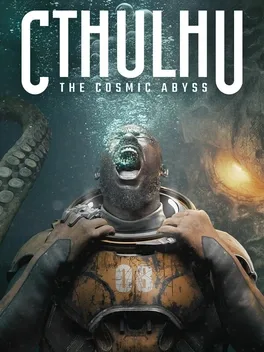
Thalassophobia (the fear of deep bodies of water) is a perfect fit for first person games, as the restricted vision and immersion, not to mention the added inertia from being underwater, always adds extra tension and panic to the experience. Add in the constant dread of Lovecraftian horrors from beyond human understanding and you have the raw ingredients for terrifying gameplay. Cthulhu: The Cosmic Abyss promises to make the most of this setting and add in complex puzzle solving and investigative detective gameplay, but an unfortunate lack of polish and some annoying bugs hold it back from taking full advantage.

Capcom have been on a generational run in recent years with their superb single player titles leading the way alongside a willingness to experiment with new ideas. Helped out in part by the excellent performance and optimisation of the RE Engine, fans of action games in particular have been in good hands. While this was most recently shown in the brilliant Resident Evil: Requiem, Pragmata is a brand new IP and shows that Capcom have plenty to offer outside of their more famous franchises.
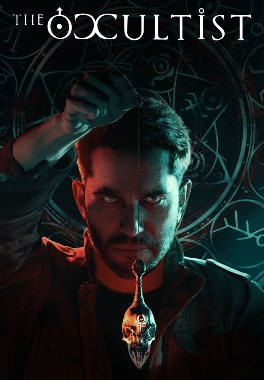
Investigative horror is one of those genres that ebbs and flows in its prevalence and popularity, but it seems to be having a bit of a resurgence at the moment, with The Occultist due to be followed by Cthulhu: The Dark Abyss and The Sinking City 2. Having been relatively starved of such games for a while I’m glad to see such a return and I’m looking forward to the unique charms of exploring spooky environments and putting clues together. Unlike the modern Lovecraftian focus of Cthulhu, The Occultist goes for a supernatural bent with protagonist, Alan Rebels, using his innate ability to tap into other realms to solve the mysterious disappearance of his father.
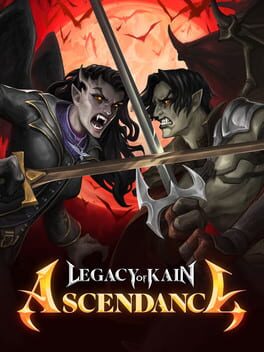
After years of complete silence from the Legacy of Kain series, this month has seen it resurgent, first with a remaster of Defiance (which I sadly found pretty underwhelming), and now with a brand new title in the world of Nosgoth. Resulting from a successful Kickstarter campaign, and accompanying a graphic novel detailing the story, Ascendant gives players the opportunity to delve back into the bloody scheming of gaming’s greatest antihero, Kain, along with series stalwart Raziel and the new character of Raziel’s sister, Elaleth. All of this is wrapped up in a striking 16-bit pixel style that is provides a fresh take on the Gothic excesses of the franchise. But, most importantly, how does it play, and will it usher in a new wave of Kain fans?