Hunter Wolfe
This author account hasn't been claimed yet. To claim this account, please contact the outlet owner to request access.
Writing For
 GamingTrend
Latest Reviews
Assassin's Creed: Origins is as much a departure as it is a homecoming. Revamped combat mechanics defibrillate the series with much-needed challenge. The guided open-world design encourages and rewards exploration unlike any Assassin's Creed game before it, and takes place in one of the series’ most memorable settings. But at...
Tacoma
If you’ve played games like Gone Home, Dear Esther or Firewatch, Tacoma is instantly recognizable, but it remains distinct by introducing a wildly exotic space setting and a mechanic that keeps the “look and listen gameplay” from ever becoming a bore. It can, at times, devolve into too much of...

Perception
Perception’s unique echolocation gameplay hook is enough to sustain the game for its 4-5-hour run, but I was saddened that The Deep End Games didn’t explore this mechanic any more than it did. Had it, Perception’s shallow plot and characters might have found some redemption. Ultimately, Perception is more carnival...
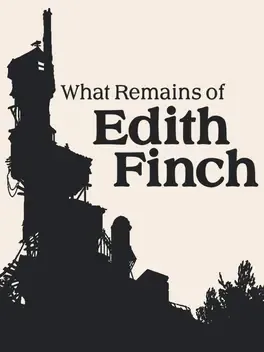
Don’t question it — just buy it. Buy it right now. It isn’t a shooter, and there are no puzzles and some will question if this even qualifies as a “game,” but What Remains of Edith Finch is an exemplar in video game narrative design. No other game I’ve ever...
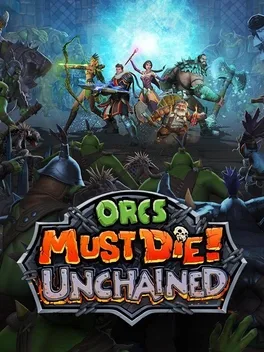
Free-to-play games often carry the stigma of being “pay-to-win” — a design philosophy that says if you want to win, buy in. Orcs Must Die! Unchained isn’t that. It’s a hoopla of co-op action that works whether or not you want to drop some dough. While the new Sabotage mode...

Steep
Steep is a triumph at merging gameplay and presentation to deliver players a sense of place in its beautiful open world. Controlling each sport feels simple yet laser precise, and the diversity in sports and challenges encouraged me to stay in the game even when challenges became too frustrating or...
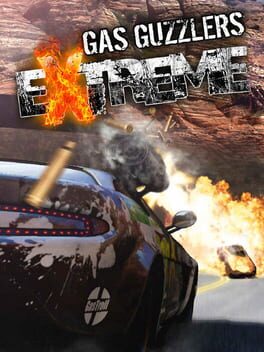
Gas Guzzlers is more of a junker than a Ferrari, and it shows in its technical underperformance and uninspired track designs. If you really have nothing else to play, the game packs a couple cool features that will occupy you for a few hours — if you don’t get carsick...