Daniel Krupa
This author account hasn't been claimed yet. To claim this account, please contact the outlet owner to request access.
Writing For
 IGN
IGN Latest Reviews
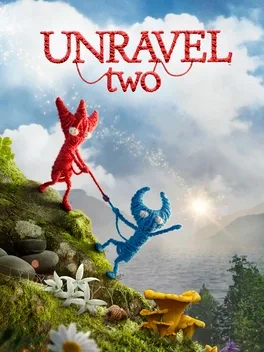
While its core story might not have the emotional punch of the original, Unravel Two improves upon the original in every other respect. The platforming is more responsive and demanding, while the puzzles are far more inventive and satisfying to solve, which is largely due to the excellent implementation of a second character and co-op. It still works as a solo adventure, but is far more enjoyable if played with a partner. And despite its oh-so-cute appearance, the generous helping of brilliant Challenge levels attest that Unravel Two has really been made by a talented group of Scandinavian sadists.
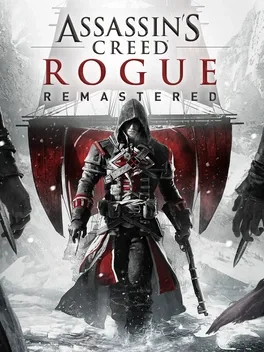
Rogue felt like a throwback when it was originally released alongside the next-gen Assassin's Creed Unity. This same feeling accompanies this remastered version. After the significant advancements made to the series by last year's Origins, Rogue second outing feels equally dated and mistimed. Ironically for the series, Rogue Remastered proves that going back in time isn't always fun.
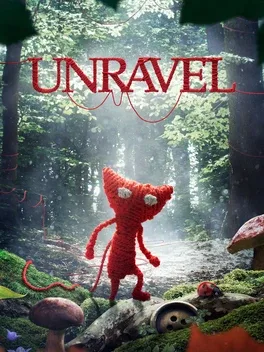
Unravel took me on a surprisingly thoughtful and reflective journey, which encouraged me to appreciate the small and the insignificant with every step. As a puzzler it has charm due to Yarny’s engaging skills, but as a platforming experience it’s less remarkable. But to judge it solely on these mechanical aspects would be to overlook its greater achievement: the way it provokes subtle and complex emotions through the use of nature and nostalgia. It all makes for a sincere, warm-hearted, and extremely likeable adventure.
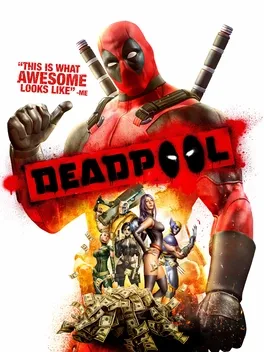
Wade Wilson has been successfully revived on the big screen in a movie that’s full of amusing one-liners, stylish action, and heaps of fan service. Weak villains and an unsatisfying revenge plot ultimately hold it back from being something more distinctive, but Deadpool delivers a large dose of unwholesome fun.
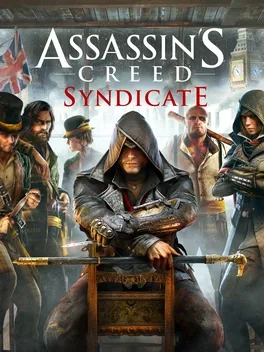
Assassin’s Creed Syndicate is the most fun I’ve had with an Assassin’s game since Black Flag. In fact, I liked it more. Apart from its ill-fitting conclusion, it never takes itself too seriously and delights in the rich possibilities of its Victorian setting and great new grapple gun. As you explore its contrasting boroughs, you glean some sense of what powered this great city in the 19th century. The story missions capitalise on this by exploring different spheres of influence, which when combined with elements like mass transit, heavy industry, and law enforcement, make this feel like a different type of city than has been featured in the series to date. Best of all, Syndicate asks you to take London back in a way puts the last few games to shame.
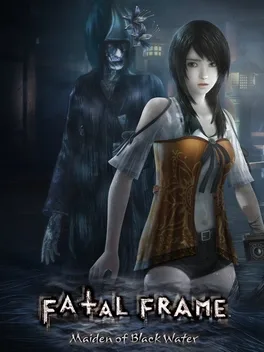
Fatal Frame: Maiden of Black Water is a disturbing tale well told. While the GamePad brings the series’ camera-as-a-weapon concept to life in a way that feels very natural, the combat lacks real mechanical variety, which, combined with overly repetitive encounters, undermines the impact of its most terrifying enemies. Fortunately, there’s an abundance of darkness to be found, with some of the most unsettling and stylish scares I’ve experienced in a while.
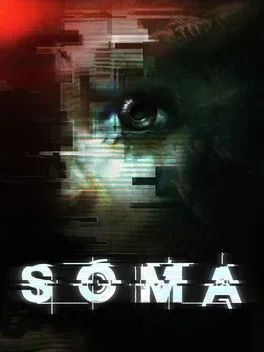
SOMA is a sustained exploration of an original and thought-provoking idea. The concept of artificial intelligence has been explored by lots of science fiction, so it isn’t unique in that regard, but it makes particularly intelligent use of video game conventions to present those familiar ideas in new and surprising ways. At 12 hours long, the story feels a little stretched, especially when so much of its gameplay feels less original than its ideas. That’s not to say it’s scares aren’t effective or intense but I found myself drawn to its quiet moments in which its philosophical yet unpretentious storytelling is allowed to breathe without interference from unintuitive puzzles and monsters that can’t be manipulated.
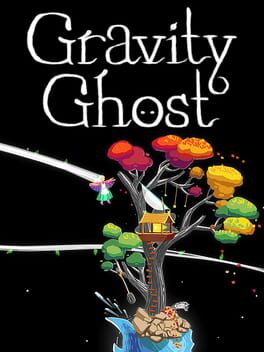
I’m still not quite sure what Gravity Ghost is all about. An hallucinogenic meditation on science and the nature of reincarnation? Perhaps. A challenging physics-based puzzle platformer? Almost. It does a great job of creating compelling mechanics, so it’s slightly disappointing the bigger design where everything comes together to make really interesting or challenging gameplay fails to materialise. But it absolutely succeeds in creating a tranquil world of weirdness, and in a world where space stags desperately need you to reunite them with their antlers, bemoaning the lack of a challenge feels like a rather trivial complaint.
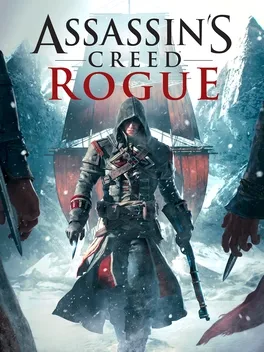
Rogue has the most interesting story of any recent Assassin’s Creed game. It’s fascinated by its own history, and introduces a level of ambiguity which changes how we look at the formerly simple conflict between Assassins and Templars. So it's all the more disappointing there's so little to do while the story is being told; the upgrade economy's pointless and most of the tasks are quite trivial. Story aside, so much of Rogue feels redundant, repetitive, and ultimately in need of reinvention.
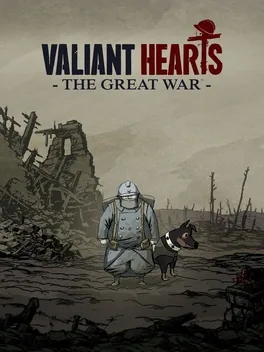
Valiant Hearts focuses on how lives are torn apart, how strangers become saviors, and how madness thrives. It’s a small-scale human perspective of the war, which tries to salvage those little acts of love and heroism from a world overwhelmed by violence. There’s not much of a challenge or a reason to revisit once you’ve finished, but the story alone is worth experiencing. Ultimately, it’s a game about warfare that’s more interested in the people and their experiences, than bullets and their targets. I could’ve done without some of the footnotes and heavy-handed narration, but it remains a beautiful, harrowing experience nevertheless.