Leo Faierman
This author account hasn't been claimed yet. To claim this account, please contact the outlet owner to request access.
Writing For
 Screen Rant
 Latest Reviews
Doinksoft's newest retro-styled co-op platformer.

Saros’ levels are beautifully eerie, with the best and weirdest vistas saved for its second half. Character and enemy design are generally excellent as well, though NPC conversations can appear disjointed, with underwhelming mocap outside its gorgeous proper cutscenes. That doesn’t distract from the game’s many superb voice performances, but it can get noticeably awkward at times. Returnal’s Jane Perry was transcendent, but her voice had to carry that entire game, so it's gratifying that Saros' ensemble cast, led by Rahul Kohli as Arjun is exceptional across the board, well beyond the quality we tend to find in our action fare (and we even get Perry’s return in a minor role as the beleaguered Commander Sheridan).
Beyond that, I can't list all of the many subtler changes that fans of the original will appreciate. I love how loose items are now perfectly detailed, so no more grabbing a nondescript sphere to discover that it’s actually a folklorist’s journal or pack of film. Grab scares are much less frequent, so the few times they proc are more effective. Don't worry about the game’s 60 FPS ceiling on PC, as it felt perfectly smooth in motion on a decent rig with max visual settings, and enemy reactions to camera clicks look wonderfully grotesque. The new photo mode works well, complete with unlockable ghost stickers to jazz up your creations.
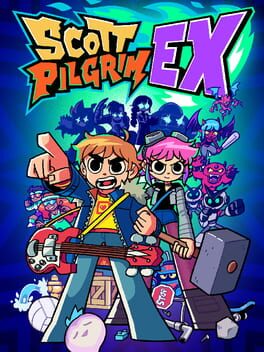
It’s been fifteen years since Scott Pilgrim vs. The World: The Game released, and a cool five since I published my review of the repackaged Complete Edition. As the first proper video game sequel, Tribute Games’ Scott Pilgrim EX is in a unique position, essentially using a throwback genre to court a completely different generation into the Bob-omb fold. Easy to pick up and play, and packed with cool new characters, Scott Pilgrim EX’s peppy pixelated visuals and impressive hero roster should be a home run, but it lacks depth, challenge, and any significant hooks to keep playing past the short route to credits.
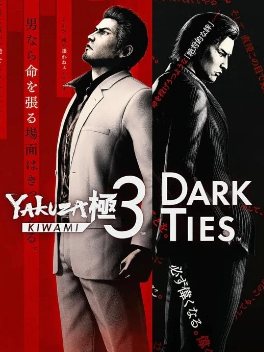
Absent the aforementioned retcon, I found the updated translation and script in Yakuza Kiwami 3 to be a noticeable improvement, and Dark Ties’ entertaining Hell’s Arena sweetens the deal. Without it, I’d arguably still recommend the game, albeit with the caveat that curious fans might want to carefully weigh their list of preferences before committing. The unique substories and activities are worthy, as are the new gameplay modes, all of which secure Yakuza Kiwami 3 & Dark Ties' role as an ideal entry point into this epic series, which now looks better than ever on modern hardware.
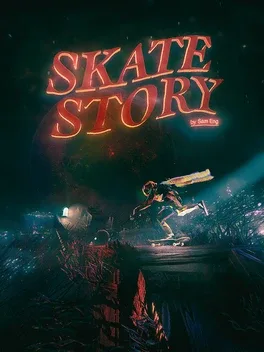
When scoring requirements do appear, it’s usually in the guise of the game’s Moon bosses, which require you to chain tricks and build up a score combo, then stomp a finisher onto a target zone. Alternatively, downhill portal-hopping sessions feature objectives that unlock the way out, such as collecting symbols or catching air. Some of these sections and bosses are time-limited, presenting the game’s only occasional friction, but you’re free to spill and retry to your heart’s content endlessly.
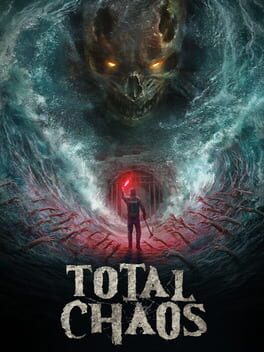
Total Chaos’ audio is the undisputed star of the show. I can’t remember the last horror game I played with such exquisite sound design, from the trickling ambiance of a sewer corridor to the stomping of a massive beast behind its walls, and the screams of enemies seen and unseen are something you never fully get accustomed to. Even the tinny record player, which serves as your save station, plays a disturbing motif intended to be soothing…but is that record warping and bending over time, the farther you get?
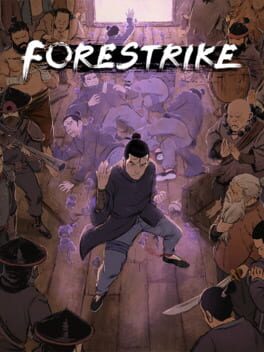
I expect some folks will disagree, and failing a Forestrike Reality Run because of a split-second chug on your PC that trips your timing is demoralizing. Nothing stops you from avoiding that mode entirely, and there’s enough build diversity to enjoy finding new synergies at a reliable clip in the standard mode. Still, you’ll also be missing out on some of the game's best writing. Curiously absent from Forestrike were some nice-to-have features, such as a daily challenge or training arena, and I hope they will be added at some later point.