Rating
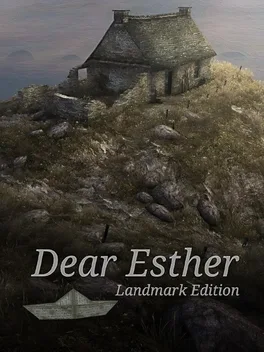
Dear Esther: Landmark Edition
Dear Esther is a first-person game about love, loss, guilt and redemption. Driven by story and immersion rather than traditional mechanics, it's an uncompromisingly emotional experience.
Details
- Released
- September 19, 2016
- Developer
- Rob Briscoe, The Chinese Room
- Publisher
- Sumo Digital, The Chinese Room, Secret Mode, Curve Digital
How it plays
Time to beat · 7 player times (IGDB)
Similar Games
Dear Esther: Landmark Edition Reviews
Professional reviews from gaming critics

There’s a reason why Dear Esther spawned the “walking simulator” genre. It was the first, and is still one of the best, exploration games you can play. On your second playthrough, however, the directors commentary is why you're really here.

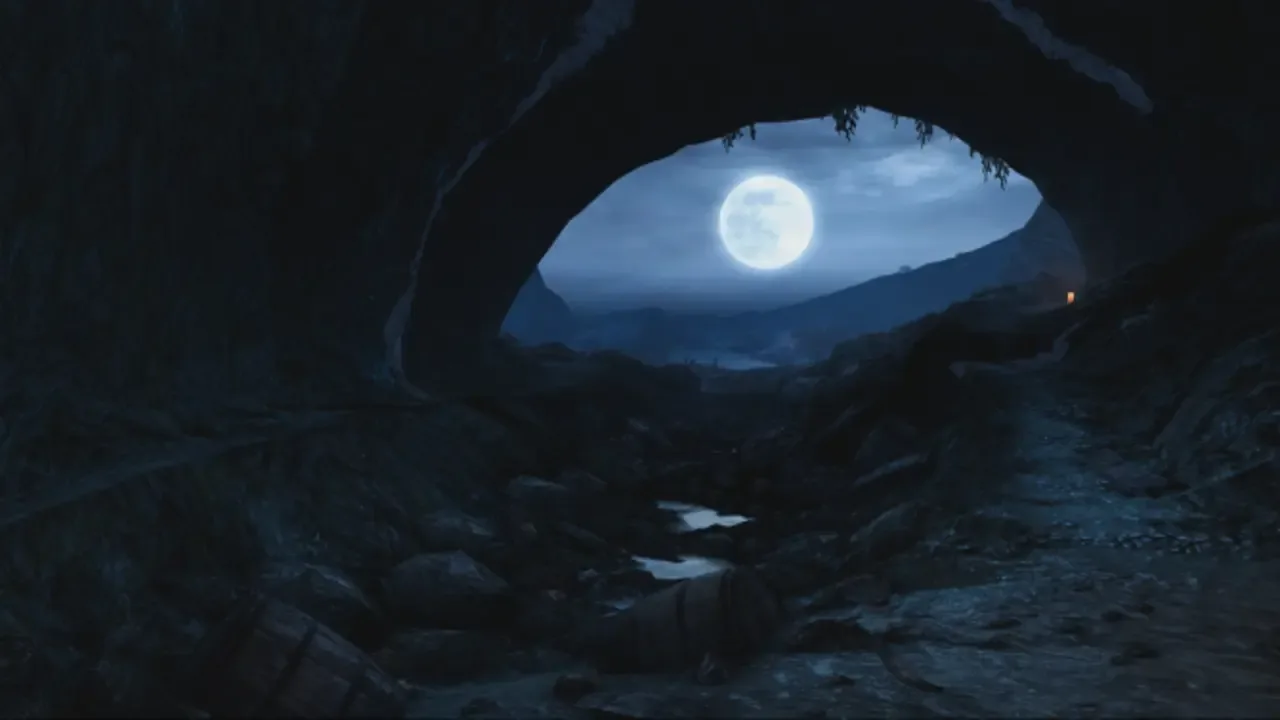
Wander the deserted and lonely island of Hebridean, off the coast of Scotland. Follow the narrations of a man as he reads his letters to a former love, Esther, and discover the . A story-driven game with an ending just as mysterious as the whole adventure. Everything you need to know about the game can be found right here!

It seems odd to give a game like Dear Esther a score. If I were rating it purely on its artistic merits, I'd give it 100. As a game, its unique qualities mark it out as something that deserves to be played and experienced, but if you're hoping for something action-packed, you're barking up the wrong tree. Dear Esther: Landmark Edition is a great game that transcends what a video game can be as a medium; a perfect marriage of artistry and ideas that you absolutely need to delve into.

When I first played Dear Esther, I had no idea what to expect. Having been recommended by a friend, I found its initial directionless atmosphere difficult to comprehend. Being one of the forerunners of the emerging Walking Simulator genre, there was no point of reference from which to understand and identify the game. It took me more than three attempts to begin the game before I first managed to walk off the beach undistracted and immerse myself in the atmospheric ramblings and beautiful, rugged landscapes. Coming back to Landmark edition, I knew exactly what to expect.

A beautifully animated walking simulator. I recommend that you give it a play, because it really is quite a different experience from most mainstream, fast driven, AAA games. It reminded me of a form of meditation because it was simply that immersive.

Developer The Chinese Room is capable of capturing many highs and lows of human emotion through both their sound design and storytelling. With that said, Dear Esther: Landmark Edition feels more like a lukewarm experiment -- a legacy precursor that paved the way to their more successful titles; an experience that is both significant, while also being entirely out-of-date by modern genre standards. Dear Esther was the baby step that aided in the creation of the genre -- while you have to learn to walk before you can run, Dear Esther's modern competitors have been sprinting for years.

The most important aspect of any walking simulator is that it has to be engaging. Good gameplay can carry awful stories sometimes, but walking simulators don’t have that luxury. With uninteresting story and characters, the desire to keep playing would be non-existent. The starkness of Dear Esther tows the line, but thankfully it manages to keep you engaged through intrigue, confusion and ambiguity. As every player should supposedly get something different out of it, who knows; to you, Dear Esther could be the greatest walking simulator you’ve played. Unfortunately for me, it doesn’t quite live...

Read out Dear Esther PS4 review to see if the cult PC classic can survive the jump to PS4.

Originally released on PC in 2012, Dear Esther was the first game to earn the rather unflattering moniker of walking simulator. Love them or hate them, walking sims are now a burgeoning genre. But how does the original hold up today?