Mark Steighner
This author account hasn't been claimed yet. To claim this account, please contact the outlet owner to request access.
Writing For

Latest Reviews
Gamers who have already invested hundreds of hours in another hack-and-slash RPG might not be tempted to make a lateral move to Dragonkin: The Banished. Then again, its depth of systems and generally excellent combat might be a satisfying alternative.
When it comes to racing games, Screamer asserts that realism is overrated. It’s an adrenaline-fueled blast from the past that feels current, too. Although it can be a bit repetitive and over-exacting at times, there’s a lot of depth to Screamer’s narrative premise and racing mechanics. Screamer is definitely worth a look for racing fans a bit tired of another lap around the traditional tracks.
I really enjoyed the original Greedfall’s blend of magic and 1600’s technology. While the combat is a little more flexible this time around, the narrative plays too many of the same beats, and its pacing fails to find a groove. Greedfall was a cult favorite of sorts. Greedfall: The Dying World does some interesting things with classes and combat, but lacks some of the charm and inventive spirit of the original game.
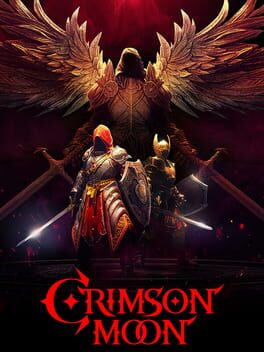
Crimson Desert is a remarkable achievement in open world design, with an inexhaustible number of things to see, do, and fight. It’s a miracle that it never collapses under its own weight. It isn’t perfect. By both accident and design, there are times when clarity and user-friendliness temporarily disappear, and the game’s rough edges and opaque mechanics overshadow the fun. A lot of games over-promise and under-deliver. Crimson Desert is not one of them.
1348 Ex Voto joins games like A Plague’s Tale and Kingdom Come: Deliverance in giving players a slice of medieval life. Unlike those titles, 1348 Ex Voto is a short time commitment with a relatively simple story and unique character dynamics. If the world weren’t quite so barren and the combat were less frustrating, 1348 Ex Voto’s attractive environments could be the foundation for a special little game.
Generally speaking, Styx: Blades of Greed’s move to a more open world is a good choice and plays to the title character’s strengths. Intricate level design and challenging stealth are matched by Styx’s new and returning toys. Apart from some technical misfires and my personal gripes with a few mechanics, Styx: Blades of Greed is not quite an open-armed introduction to the loveable green guy, but it should absolutely please fans of the series.
While it doesn’t have the shock value novelty of the first game, High on Life 2 makes up for it with ambitious level design, polished movement, and a more grounded, coherent narrative. All the fun of the first game’s talking guns and wicked humor remains, entertainingly voiced and paired with engaging combat and interesting environments. There are moments when High on Life 2 feels a little over-caffeinated, and it can be exhausting over long stretches. Overall, though, High on Life 2 demonstrates that the first game’s concepts and mechanics were more than one-off novelties. High on Life 2 keeps a good thing going strong.
Despite some of its frustrations and limitations, I mostly liked what Crisol: Theater of Idols is going for. The world is thoroughly conceived, impressively full of surreal detail and dark atmosphere. The game has at least one interesting combat trick to mess with, too. A sequel or big update might smooth out some rough mechanics, but as it stands, Crisol: Theater of Idols is worth a look for fans of first-person shooters or action-adventure games with puzzles, mysteries, and exploration.
Reanimal takes its cues from primal childhood trauma and the deep-seated fears that most people carry through life. It adds layers of familiar-feeling puzzles and terrifying monsters to a game that looks a lot like a Little Nightmares sibling. With the ability to play the game with another terrified human, Reanimal is all the more scary and memorable.
His past games have demonstrated that Suda51 is probably incapable of making a cookie-cutter action game. Yet underneath its misdirection of wild and crazy, that’s kind of what Romeo is a Dead Man really is. Strip away the disorienting style shifts and patchwork narrative, and you’re left with a fun but limited third-person action game with Soulslike elements. The game succeeds at stylistic surprise but at the expense of polished mechanics and satisfying coherence.