Cody Gravelle
This author account hasn't been claimed yet. To claim this account, please contact the outlet owner to request access.
Writing For
 Screen Rant
 Playstation Lifestyle
Latest Reviews
Each story mission is based on a key moment in Solo Leveling lore. Whether it's the earliest days of Sung Jinwoo as humanity's weakest hunter or far deeper into his adventure, when he becomes humanity's cheat code against otherworldly threats, the missions will feature dialog and sometimes panels from the...
And two: the amount of micro-managing of a team is an absolute headache. Just sorting through equipment is annoying, especially when paired with a less-than-exciting but unfortunately necessary upgrade system that makes maintentance even more granular. That isn't even considering the actual swapping in and out of characters, their positions...
If there's one major knock against Unicorn Overlord, it's that its story and characters are just a bit below what I'd expect from the same studio that produced 13 Sentinels: Aegis Rim. It's clear Vanillaware is capable of designing some standout protagonists, but that doesn't really happen in Unicorn Overlord,...

Infinite Wealth also takes the job system that was so brilliant in the original Like A Dragon and makes it more accessible. Returning jobs like Hero, Homeless Guy, and Hostess are all fun, but new jobs steal the spotlight, with Samurai, Desperado, and Kunoichi some of the best of the...
Persona 5 Tactica
While the customization system is a little different from Persona 5, it's familiar the same way that the combat nuances and aesthetics are in Persona 5 Tactica. Players gain access to a skill tree for each character that allows them to focus on what specific strengths they want them to...
Honestly, in a game as complex and exciting as RAIN CODE, the need to find pieces of evidence on the fly during real-time combat is more annoying than anything else. While it's clear what the intent was - create a sense of pressure that a detective really would feel, pressed...

Fire Emblem Engage follows the story of Alear, a divine dragon awoken from a thousand year slumber to find the continent of Elyos in dire straits. The threat of an evil force - the Fell Dragon - has begun to permeate the society of each country, and the once idyllic...
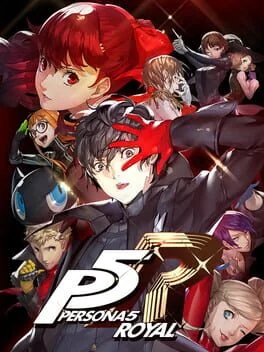
Persona 5 Royal
For those who have somehow missed Persona 5 Royal and are still interested in trying the game, it's debatable whether the title's Switch debut is the right platform - there are better options depending on which qualities a player desires. For anyone who wants to be able to return to...
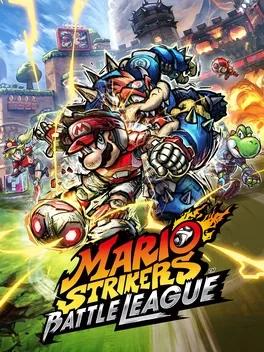
While that's not necessarily a problem for those just looking for a good time, it does make me wonder why Mario Strikers: Battle League can't just invent its own sport and be done with it. The significant changes to design in terms of gameplay make it feel utterly unfamiliar to those who enjoy...
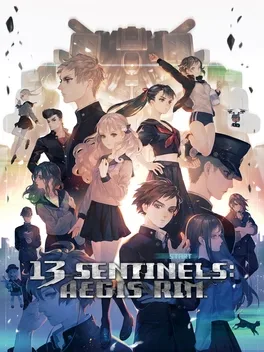
Now, 13 Sentinels: Aegis Rim is coming to Nintendo Switch, where that platform's broader appeal and accessibility gives it a second chance to be discovered by those who might enjoy it. The game follows 13 different characters as they explore a broad array of timelines and sci-fi experiences, piloting mechs in...
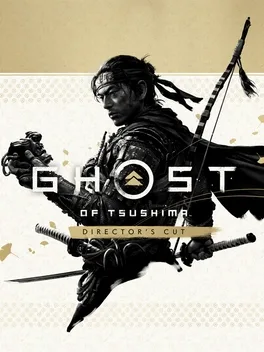
Iki Island also adds a few new features beyond another look at Ghost of Tsushima's engrossing hero. Animal sanctuaries allow Jin to show his softer side by interacting with various wildlife, and is a natural extension of the "pet the fox" feature that endeared itself well to so many players....
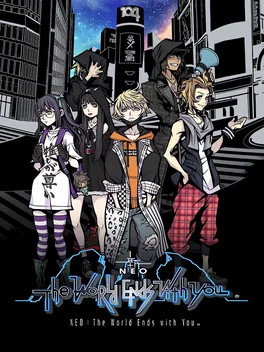
Gameplay in NEO: The World Ends With You largely follows a pattern of solving puzzles in Shibuya to gain access to more districts and locales, then fighting through waves of Noise or bosses to advance the team's progress. There are sidequests and other elements, like Scramble Slam, which shake up the...