Rating
We Happy Few
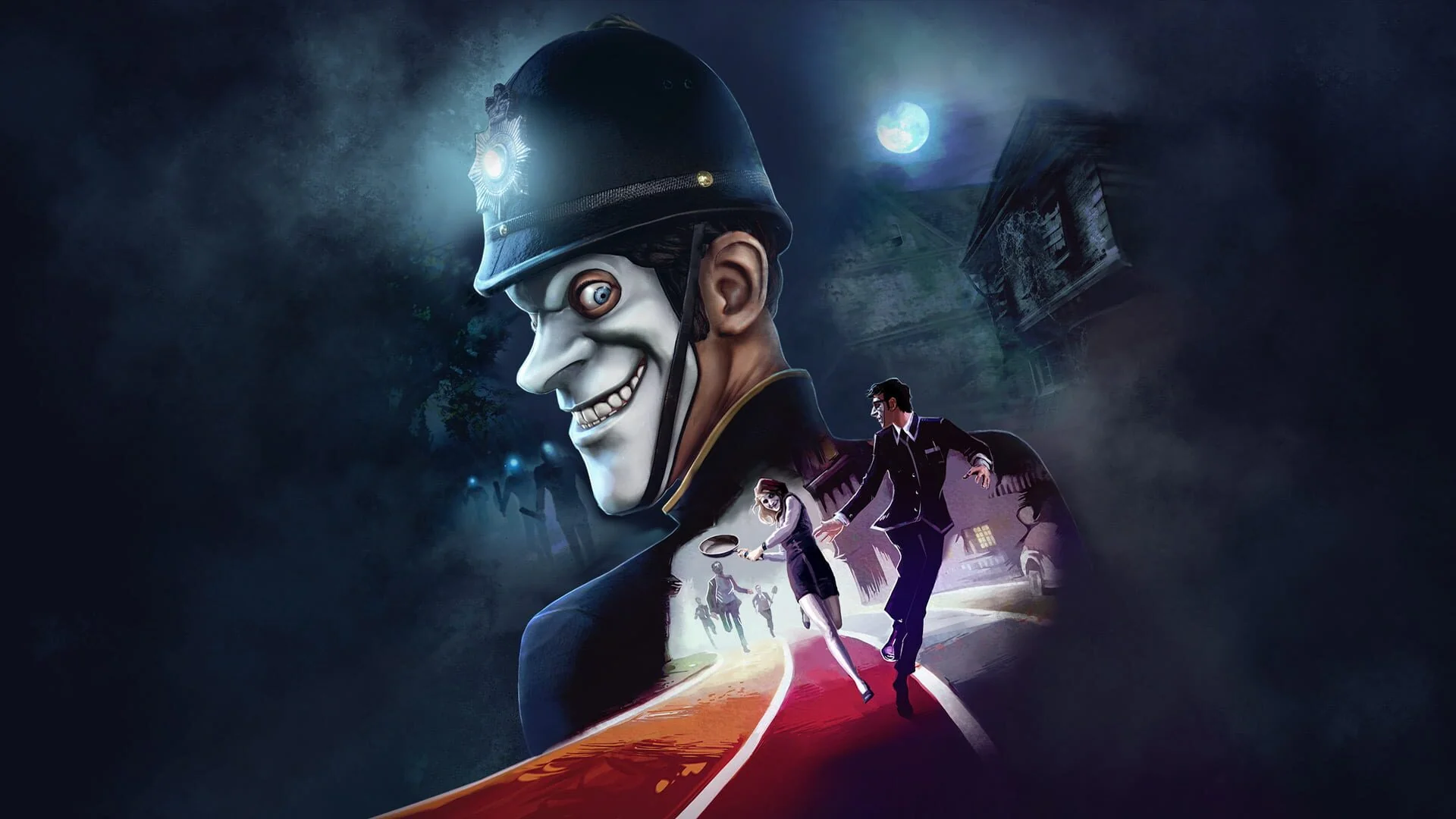
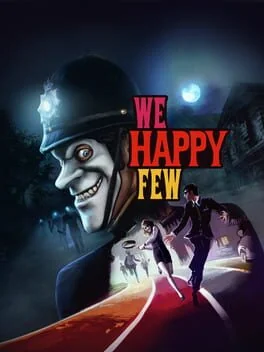
We Happy Few is the tale of a plucky bunch of moderately terrible people trying to escape from a lifetime of cheerful denial. Set in a drug-fuelled, retrofuturistic city in an alternative 1960s England, you'll have to blend in with its other inhabitants, who don't take kindly to people who don't abide by their not-so-normal rules.
Details
- Released
- August 9, 2018
- Developer
- Compulsion Games
- Publisher
- Gearbox Publishing
Similar Games
We Happy Few Reviews
Professional reviews from gaming critics

We Happy Few, from Compulsion Games, pretty much embodies the idea of “potential” – its dark atmosphere, mixed with its British humor and psychedelic aesthetic, have caught the eye of many a curious gamer ever since its earliest reveals. But that potential has not quite been realized thus far, as players complained about the game’s survival elements and meagre story. Now, We Happy Few arrives on consoles and PC in a full release, with some retooled elements and a beefed-up narrative – is it enough to bring us joy, or will it still be a downer?
We Happy Few is a game of high highs and low lows. It's certainly far from perfect, with questionable stealth mechanics, sometimes derivative gameplay, and a lack of polish that intrudes on the fun. However, it also offers a totally unique world full of interesting characters and places.

We Happy Few has a pristine narrative vision, but it feels layered on top of a wholly different game. Much like the famous visage of the Wellington Wells citizenry, the story is a mask that tries to hide a buggy open world and needless procedural generation.

We Happy Few features one of this year's most interesting settings but fails to fill it with quality gameplay most of the time.
We Happy Few would have been better served as linear narrative game. Its open world sections and fetch quests don’t completely sink the game, but they’re filler at best. Ultimately, it still manages to entertain, nails its sixties style and tells a compelling story with the odd dash of very British humour. If you’re prepared to stomach the game’s less appetising sections, you’ll still get a little Joy out of We Happy Few.

The bobby smirks at Arthur with his creepy, Cheshire cat-like grin, warning him not to get himself into any mischief or there’ll be hell to pay. He brandishes his baton menacingly, giving Arthur one last knowing look before turning away. It’s a tense moment, especially since you’re not sure if the bobby knows you’re secretly a Downer. After turning away, though, the bobby proceeds to walk in aimless circles around the bench Arthur is sitting on. Every few seconds or so, he’ll tell Arthur the same thing he did before —that he needs to keep himself out of mischief— then proceed to walk in circle...

A mess of crafting, jogging, and disagreeable stealth frames a good script and fantastic acting.

We Happy Few is a confusing game at first glance. It’s got the trappings, grand scale, and look of a AAA title. But dig a little deeper, and it’s really an indie title masquerading as one of the “big boys”. Given that just about everyone in the game wears a mask, this is a rather enjoyable double entendre, but the real question is ultimately whether developer Compulsion Games – one of the studios Microsoft announced it had acquired at this year’s E3 conference – was able to make us happy with its game. And the answer to that is: it’s complicated.

There's no doubt a ton of positive elements to We Happy Few, but it seems like a fantastic world clouded over by overzealousness on the part of Compulsion Games. While they should be lauded for their hand in crafting a world that I wanted to dissect every inch of, too much of the game feels like filler for its own good. Perhaps with a little Joy, We Happy Few could be more palatable to modern audiences.

While We Happy Few's story contains some genuinely wonderful twists and turns once it gets going, it's dragged down by frustrating survival systems, shoddy combat, and an empty world.


We Happy Few went from being a ‘little known’ indie game to one of the most anticipated games of the year after Microsoft’s E3 conference.